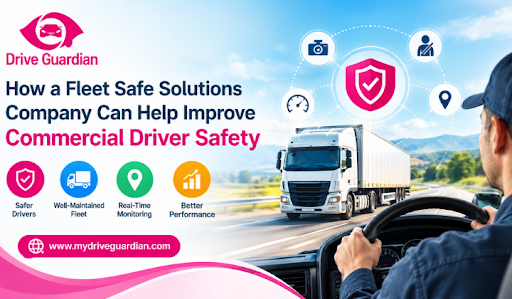
A fleet safe solutions company helps you prevent crashes, not just record them, by giving you real-time visibility and protection before a risky drive begins.
Did you know? FMCSA research found that commercial motor vehicle drivers who dial a phone while driving have six times the odds of being involved in a safety-critical event, such as a crash, near-crash, or unintentional lane deviation. Even a brief distraction can put the driver, other road users, and the business at risk.
That’s why choosing the right fleet safe solutions company matters. A written safety policy sets expectations, but managers also need practical ways to support it across daily operations. The right combination of technology, useful vehicle information, and clear procedures can help businesses take a more consistent approach to driver safety.
My Drive Guardian was built for this. Our in-vehicle system checks for alcohol before ignition, can keep a vehicle from starting, and keeps managers informed with live location and real-time alerts. This guide explains what a fleet safety partner does, what to look for, and how to roll it out without losing your drivers’ trust.
Key Takeaways
- Fleet safety solutions deliver to managers the vehicle data they need to make everyday safety choices.
- Written policies are most effective when backed by clear procedures, good communication and proper records.
- Pre-ignition alcohol detection adds a safeguard that a basic location-tracking tool may not provide.
- Explaining what is collected and why can help drivers understand the purpose of vehicle technology.
- Introduce fleet safety technology carefully, gather feedback, and review how well it fits your operation.
What Does a Fleet Safety Solutions Company Do?
A fleet safe solutions company provides the tools and support to help you manage risk across your vehicles. That usually includes:
- Vehicle location and trip visibility
- Real-time alerts when something needs attention
- Driver and trip reports for coaching and records
- Safeguards built into the vehicle, such as alcohol detection and ignition protection
How a Fleet Safe Solutions Company Improves Commercial Driver Safety
Here’s what the right partner puts in your hands.
1. Live Visibility for Better Fleet Driver Management
Your fleet driver management can be simplified if you are aware of the locations of your vehicles. With support of live location updates, managers may see where vehicles are and coordinate operations without having to make routine calls to drivers while they are on the road.
A good platform shows location and trip status in one place.
2. Protection That Starts Before the Engine Does
The majority of fleet safety technology is centered on what happens after the vehicle moves. Speed. Braking. Location.
My Drive Guardian starts earlier. A fuel-cell breath sensor checks the driver before ignition. If alcohol is detected above the configured threshold, the system can keep the vehicle from starting. That turns a rule against impaired driving into a safeguard built into the vehicle.
3. Real-Time Alerts, Not Month-End Surprises
An alert that arrives the moment something needs attention is worth far more than a report you read next month. Real-time alerts help management respond while it still counts.
4. Driving Reports That Support Coaching
Managers have trip history and other driving data available to design coaching conversations in a beneficial way. Reviewing information over time may help identify questions worth discussing with a driver, rather than relying on memory alone.
Driving reports can support internal reviews, but the information they contain should not be treated as proof of a specific violation unless the system actually records that event.

What to Look for in a Fleet Safety Solutions Company
Not every provider fits every fleet. Before you sign, check these points:
- Clear features. Ask exactly what the system does and does not do. Avoid vague promises.
- Easy setup. A tool your team won’t use won’t protect anyone.
- Fits your fleet size. Ask which fleet sizes, vehicle types, and operating needs the platform supports before committing.
- Straight talk on data. Know what is collected, who sees it, and how long it’s kept.
- Real support. You should reach a person who understands fleets.
A good partner explains its limits honestly. Commercial vehicle safety depends on more than technology: clear policies, driver awareness, appropriate safeguards, and consistent management all have a role.
Why Commercial Driver Safety Needs More Than a Policy
Every vehicle with your logo is both a liability and a promise. For example, if an employee doesn’t get home from work after an accident, it can be very expensive to repair and can increase their insurance rates.
Most fleets find the gaps in their program after something goes wrong. A near miss. A jump at insurance renewal. A customer complaint about a speeding van.
Three problems show up again and again:
- No visibility. Managers can’t ride along in every vehicle.
- No proof. Without records, it’s hard to show that rules were taught and enforced.
- No early warning. Reports arrive weeks later, when the damage is done.
By addressing all three of these issues, commercial driver safety is improved.

How to Roll Out Fleet Safety Technology Without Losing Driver Trust
Technology works best when drivers understand it. Follow these steps:
- Explain the why. Tell drivers the goal is safety and protection, not surveillance.
- Update your written policy. Spell out what’s tracked, why, and how the data will be used.
- Start with a small group. Test the system, gather feedback, then expand.
- Use information constructively. Where the available records raise a concern, discuss it fairly and follow your company’s established procedures.
- Review results regularly. Look at trends each month and adjust.
Take a More Proactive Approach to Fleet Safety
A safer fleet starts with knowing what support your vehicles and drivers need. Review your existing safety practices, determine where better vehicle visibility may be beneficial, and explore how in-car precautions may strengthen your current strategy. You don’t have to restructure your entire program to move to the next phase.
See Where My Drive Guardian Fits Into Your Fleet. Book a demo with My Drive Guardian to explore how live vehicle location, real-time notifications, alcohol detection, and ignition protection can support your fleet safety goals.
Frequently Asked Questions
It provides tools and support that help businesses manage driver risk. That typically includes vehicle tracking, alerts, reports, and, with some providers, safeguards built into the vehicle.
Fleet safety technology is any system that helps you see and reduce driving risk. Examples include live location, trip alerts, driving reports, and in-vehicle protection like alcohol detection.
Combine a clear written policy with training, coaching, and technology that gives you real visibility. Review data regularly and fix patterns before they become incidents.
Yes. The same risks apply whether you run three vehicles or three hundred. The right platform can give small fleets core protection without a dedicated safety department.
A breath sensor checks the driver before ignition. If alcohol is detected above the set threshold, the system can keep the vehicle from starting. That adds a safeguard that policy alone can’t provide.
Rules vary by location. Tell drivers what’s tracked and why, put it in your written policy, and check your state and local requirements before you begin.