
- Texting and Driving
Teen Driving Safety:
A Guide for Parents and Young Drivers
Teen driving safety worries most parents the moment their kid gets a permit. New drivers face real risks: distraction, speeding, and the kind of inexperience only time behind the wheel can fix. Teenage driver safety comes down to habits built early and reinforced often, not luck. Teen distracted driving, speeding, and inexperience are the biggest threats new drivers face, and monitoring teen drivers is one of the clearest ways parents can catch a bad habit before it becomes a crash.
Explore the risks, safety tips, and practical ways to support safer teen driving and see how My Drive Guardian can help parents encourage responsible driving while giving young drivers the confidence to build good habits.
Why is teen driving safety important?
A driver with three months behind the wheel reacts differently to a sudden stop than one with three years. That gap in experience is where most teen crashes start.
Risk-taking adds to it. A car full of friends changes how a teen drives, whether they realize it or not. Add a phone buzzing in the cupholder, inconsistent seat belt habits, and the occasional late-night drive, and the risk stacks up fast. Teen driving safety isn’t one problem to fix. It’s several small ones, addressed together.
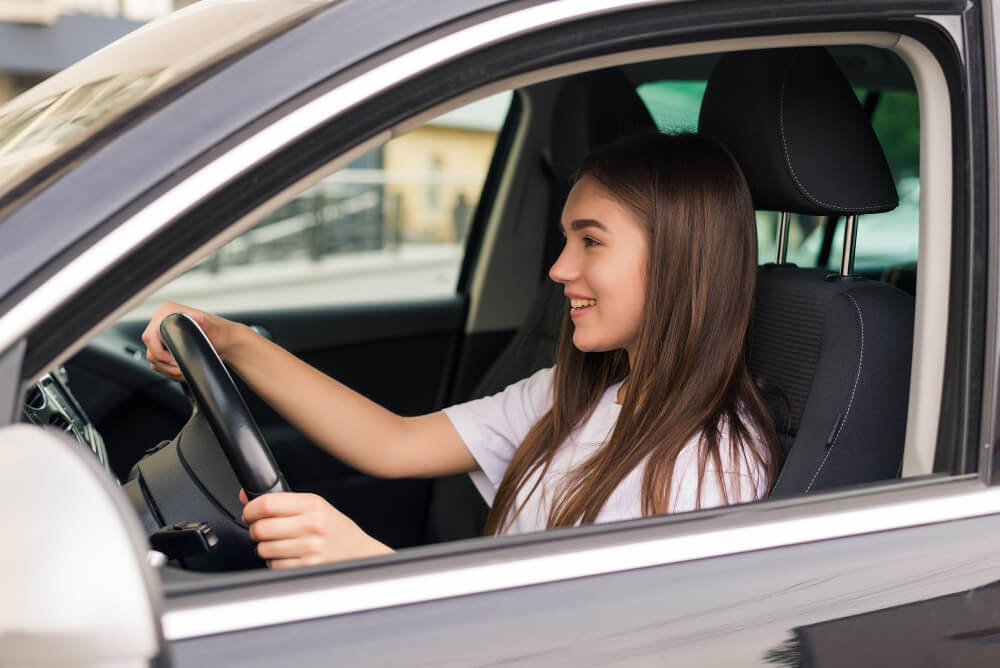
Common Risks for Teen Driver
01
Distracted Driving
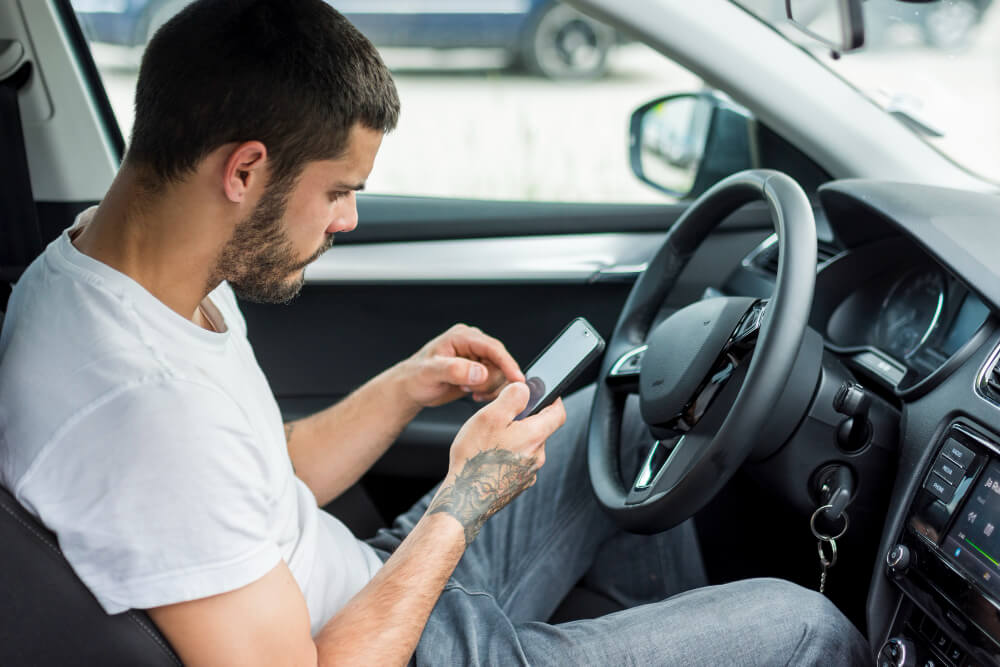
A text takes about five seconds to read. At highway speed, that's the length of a football field driven blind. Teen distracted driving rarely starts as recklessness. It's a notification lighting up, a friend asking to check a message, music getting adjusted mid-drive, a call coming in at the wrong moment.
02
Speeding and Aggressive Driving
Tailgating, quick lane changes, pushing past the limit. These show up in teen crash data more than almost any other factor.
03
Driving at Night
Reaction time and depth perception both drop after dark, especially for a driver still building experience.
04
Driving With Teen Passengers
One friend in the car roughly doubles crash risk for a new driver. It's not about bad decisions. It's a car full of distractions and a driver still learning to filter them out.
05
Not Wearing a Seat Belt
Teens buckle up less consistently than any other age group. It's the easiest habit to fix and the one with the biggest payoff.
06
Driving Under the Influence
Even a small amount of alcohol impairs a new driver more than an experienced one. The data speaks for itself here.
Teen Driver Safety Tips for Safer Driving
These teen driver safety habits work best when they’re set early and revisited often, not laid out once and forgotten. Building teenage driver safety into a family’s routine takes repetition, not a single conversation.

01
Set Clear Rules Before Your Teen Starts Driving
Rules work better when they're set before the keys get handed over, not after a scare. Curfews, passenger limits, phone policies. Specific beats are vague.
02
Establish a No-Phone-While-Driving Rule
The phone goes in the glovebox, bag, or console before the car starts moving. Not silent in the cupholder. Out of reach removes the temptation entirely.
03
Encourage Seat Belt Use Every Trip
Every trip means every trip, including the two-minute drive down the block. Short drives are where the habit either sticks or doesn't.
04
Set Speed Limits and Expectations
Talk through what speeding actually costs in stopping distance. At 40 mph, stopping distance is nearly double what it is at 25.
05
Limit Distracting Passengers
Capping passengers at one friend, even without a legal requirement, cuts risk noticeably in the first year.
06
Avoid Late-Night Driving When Possible
Set a reasonable curfew for the first year. Night driving privileges can loosen as experience builds.
07
Practice Challenging Driving Conditions
Rain, highway merging, parallel parking. Practice these together first. The first time shouldn't be alone.
08
Lead by Example
A parent who texts at red lights teaches that habit whether they mean to or not. Teens notice more than they let on.
How to Monitor Teen Driving
Rules only work if parents know whether they’re holding. Learning how to monitor teen driving isn’t about catching a kid doing something wrong. It’s knowing early when a habit needs a course correction, before it turns into something worse.
Parents typically combine a few approaches: setting clear rules up front, having regular conversations about specific drives, reviewing any close calls together, watching for speeding or phone use, and using technology to cover what a conversation alone can’t. This holds whether the goal is to monitor teenage driving loosely through check-ins or put a more consistent system in place.

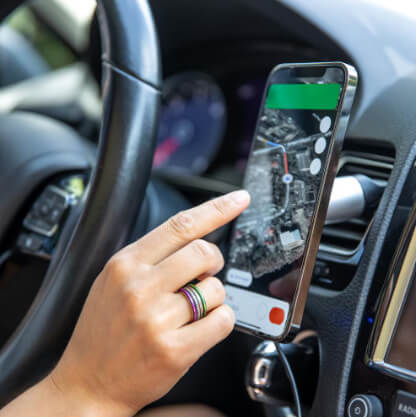
What Should Parents Monitor?
Behaviour | Why It Matters |
Speed | Helps identify unsafe driving |
Phone use | Reduces distracted driving |
Hard braking | Can indicate risky behaviour |
Rapid acceleration | May indicate aggressive driving |
Driving hours | Helps enforce family rules |
Location | Helps parents know where the vehicle is |
How Monitoring Can Support Safer Driving
A monitoring report turns a vague “drive safe” into something specific. Instead of a general warning, a parent can point to an actual pattern and talk through it directly.
Teen Driver Monitoring: What Parents Should Know
What Is Teen Driver Monitoring?
Teen driver monitoring means tracking driving behaviour, not just location. Speeding, hard braking, phone use while moving: these are the patterns that predict risk before a crash happens, not after.
What Driving Behaviours Can Be Monitored?
Speed, sudden braking, rapid acceleration, phone use, and driving hours are the behaviours most teen driver monitoring tools track. Most parents use this data for one reason: coaching, not punishment.
The balance that matters here is privacy. Teens who feel spied on tune out. Teens who understand monitoring supports them, not punishes them, tend to stay more engaged with the rules in the first place.
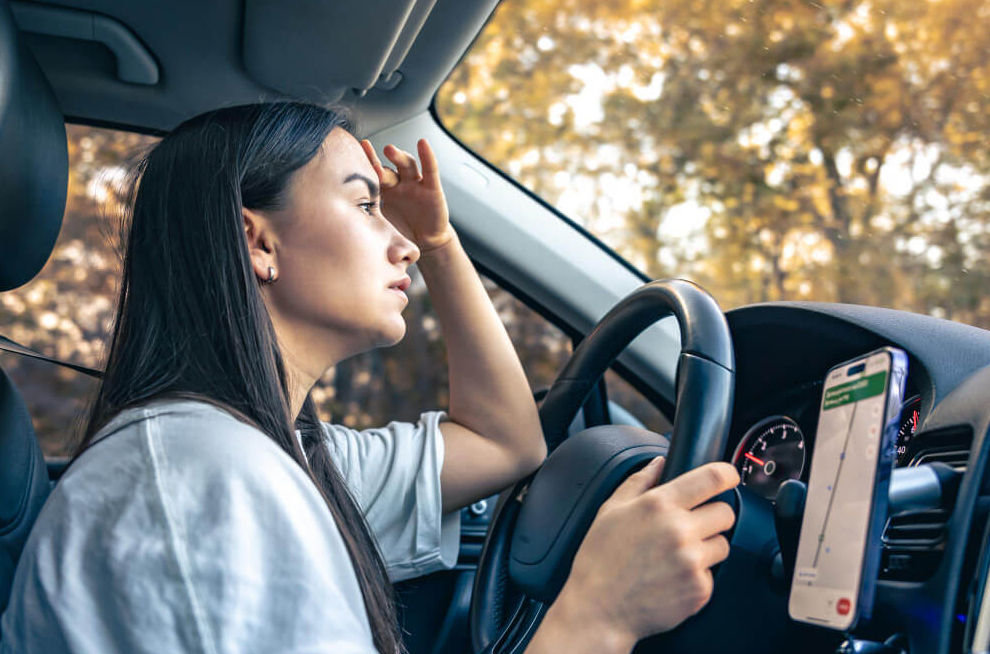
Teen Driver Tracking: How It Can Help Parents
What Is a Teen Driver Tracker?
A teen driver tracker mainly answers “where’s the car right now.” A teen driving tracker covers the location piece well but stops short of showing how the car was actually driven.
Tracking vs. Monitoring
Broader teen driver monitoring goes further, covering speed, phone use, and driving patterns over time, not just where the vehicle has been. Both have a place: tracking matters for knowing a teen made it to work on time or is on the right route home; monitoring matters for the coaching conversation that comes after. Together, they give parents the full picture instead of half of it.
Teen Driving Apps for Parents
A teen driving app for parents brings the rules, the tracking, and the coaching into one place, instead of juggling separate habits and hoping they stick.
What Can a Teen Driver Safety App Do?
- Location tracking, so parents always know where the car is
- Speeding alerts, sent the moment it happens
- Distracted-driving alerts, flagging phone use in motion
- Driving behaviour monitoring, covering braking and acceleration patterns
- Trip history, for a full picture over time
- Safety reports, built for quick review, not a data dump
What Should Parents Look For?
A strong teen driver safety app or teen driver monitoring app should offer:
- Reliable monitoring that runs automatically
- Real-time or timely alerts, not ones that arrive a week later
- Easy-to-understand reports
- Privacy controls both sides understand
- Configurable notifications
- Driver safety insights that actually lead to a conversation
- Support for the parent-teen safety agreement already in place
A teen driver tracking app that checks these boxes gives parents visibility without turning every drive into a standoff.
How to Block Text Messages While Driving
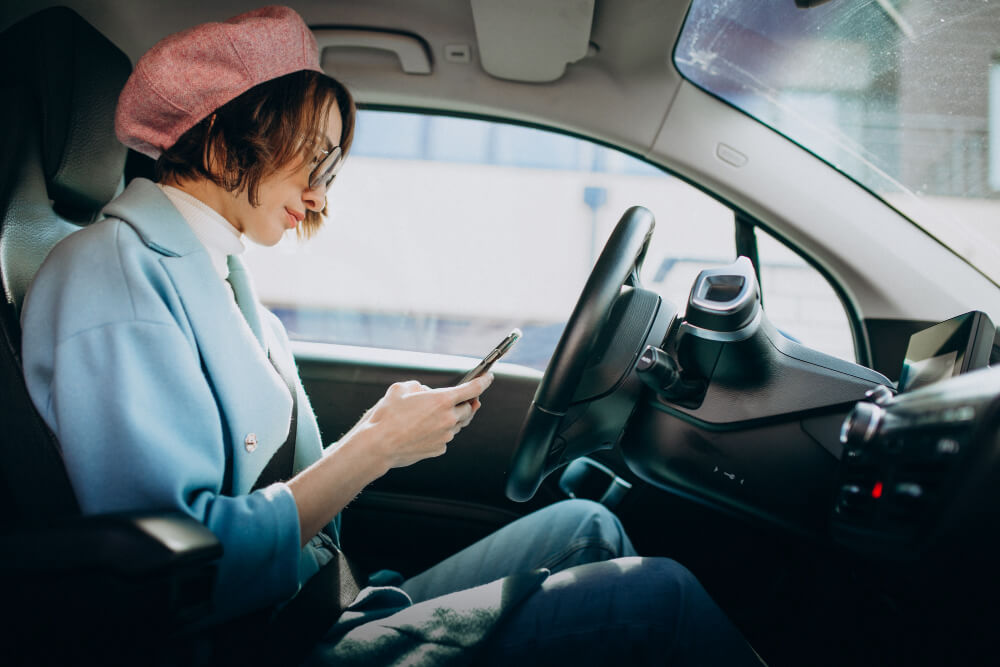
A notification lighting up is enough to pull focus, even without a reply. Learning how to block text messages while driving starts with understanding why incoming alerts are so distracting in the first place: the pull to check is automatic, even for a driver who knows better.
Driving modes work by holding messages until the car stops, so the decision to check a phone never has to be made mid-drive. Apps can restrict phone interaction further, blocking texting entirely while the vehicle is moving. Pair that with a clear family no-texting policy, and the technology backs up the rule instead of replacing it.
How Technology Can Support Teen Driver Safety
Before technology, parents leaned on conversations and rules, then hoped they held. With technology, parents get real insight into driving behaviour and can use it to coach, not just guess.
Monitor Driving Behaviour
See patterns forming before they turn into habits.
Detect Risky Driving
Speeding, hard braking, sudden acceleration, flagged as they happen instead of discovered after the fact.
Reduce Phone Distraction
Messages held until the drive ends, removing the moment of temptation.
Encourage Safer Driving Habits
Specific feedback beats a general "be careful."
Give Parents Better Visibility
Knowledge without needing to ride along on every drive.
A Smarter Approach to Teen Driver Safety
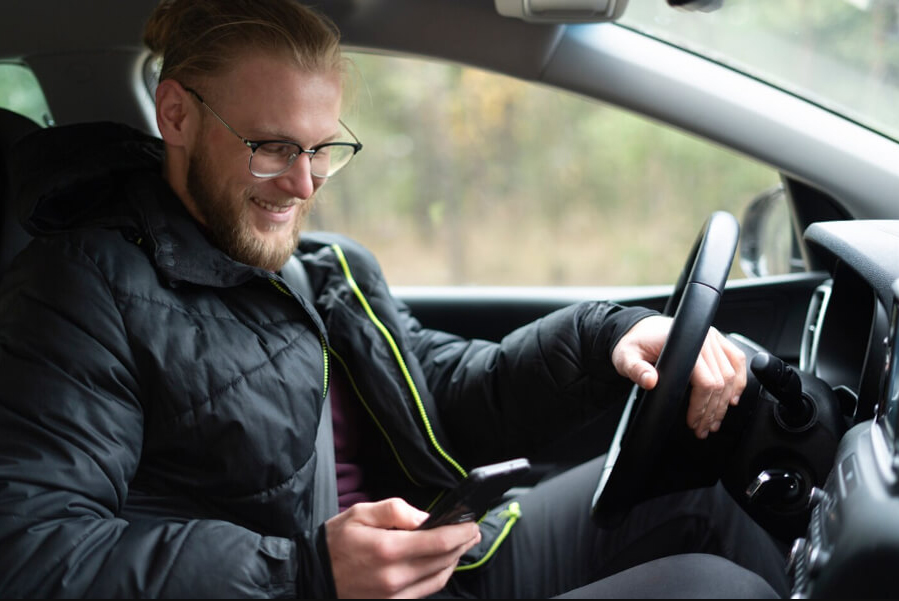
Parents can’t be in the passenger seat every time their teen drives. That’s the real problem most families run into after the first few months of independent driving.
My Drive Guardian gives parents visibility into what’s actually happening on the road.
01
Monitor Teen Driving
Real-time insight into speed, location, and driving patterns, without needing to ask.
02
Reduce Distracted Driving
Messages and calls are held until the car stops moving.
03
Help Prevent Phone Use While Driving
No manual setup needed each trip. My Drive Guardian activates automatically once the vehicle is in motion.
04
Encourage Safer Driving Habits
Reports that turn into real coaching conversations, not just data nobody looks at.
See How My Drive Guardian Can Help Keep Teen Drivers Safer
Create a Teen Driver Safety Agreement
A written agreement turns vague expectations into something both sides can point back to. Cover speed, phone use, passengers, seat belts, night driving, alcohol and drugs, vehicle use, and what happens if a rule gets broken. Put it in writing once, and it saves a dozen arguments later.
FAQ
Frequently Asked Questions About Teen Driving Safety
What is teen driving safety?
The habits, rules, and tools that reduce risk for new drivers, covering everything from distraction to seat belt use to nighttime driving limits.
How can parents monitor teen driving?
Through a mix of clear rules, regular conversations, reviewing incidents together, and a monitoring app that tracks speed, phone use, and driving behaviour.
What is teen driver monitoring?
Tracking driving behaviour, not just location, so parents can spot risky patterns and coach around them.
What should parents look for in a teen driver safety app?
Automatic monitoring, real-time alerts, clear reports, solid privacy controls, and support for the family’s driving agreement.
Can parents track a teen driver's location?
Yes. Most monitoring apps include location as one part of a broader picture, alongside speed and phone use.
How can I prevent my teen from texting while driving?
Set a phone-away rule before the car starts moving, and back it up with an app that holds messages until the drive ends.
How can I make my teenager a safer driver?
Clear rules, practiced driving conditions, consistent seat belt use, and ongoing conversations, backed up by monitoring where it’s useful.
What are the biggest risks for teenage drivers?
Distraction, speeding, night driving, and extra passengers, all made worse by inexperience behind the wheel.
Help Your Teen Become a Safer Driver
Safer driving habits don’t come from one conversation. Clear family rules, ongoing coaching, and the right technology make it easier to reinforce them every time your teen gets behind the wheel.
Explore My Drive Guardian’s Teen Driver Safety Solutions