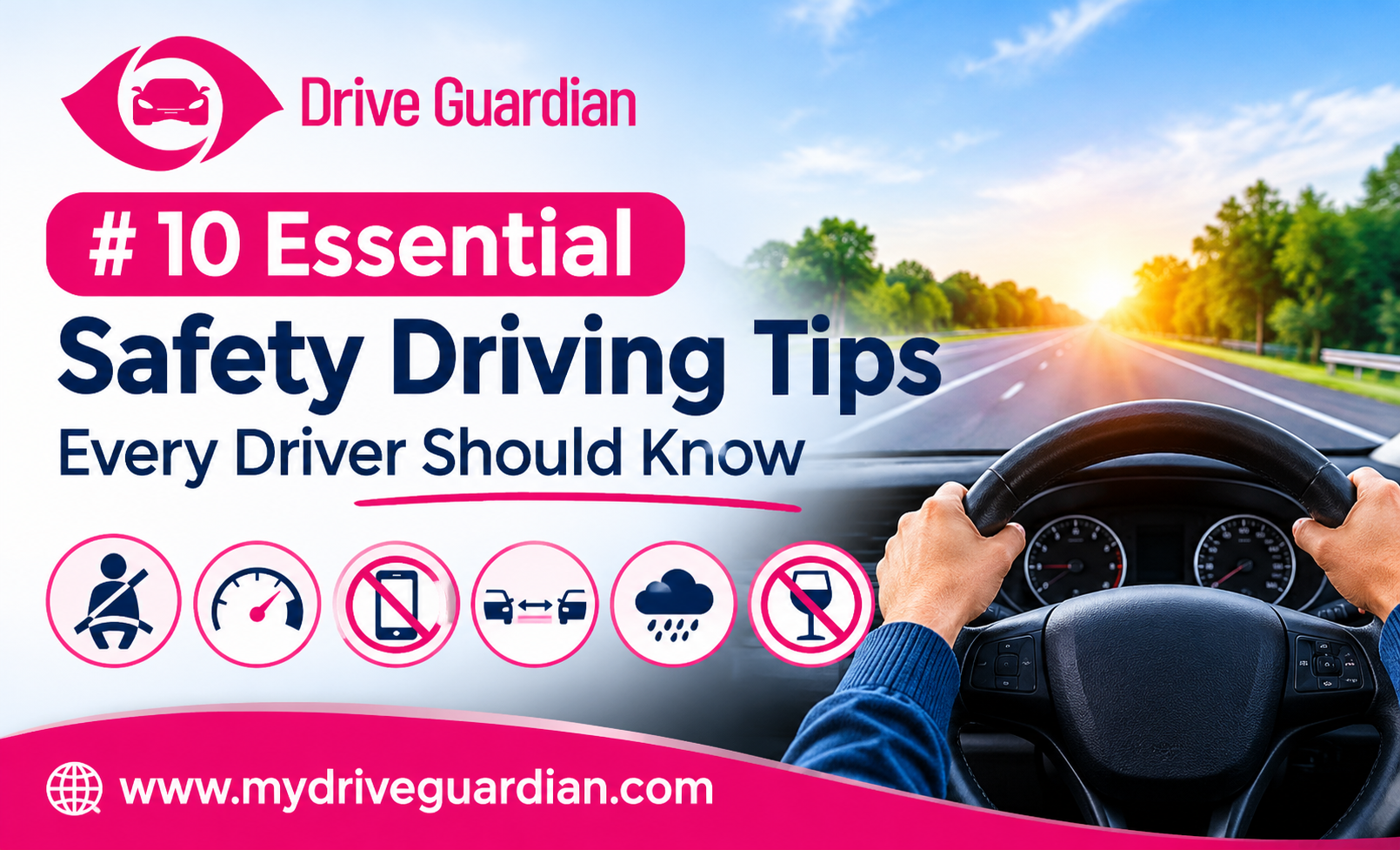
The most important driving safety tips are simple: put your phone away, buckle up every trip, stick to the speed limit, and never drive after drinking or taking anything that impairs you. Leave enough space between you and the car ahead, slow down in rain or fog, pull over when you’re tired, and yes keep an eye out for pedestrians, cyclists, and motorcyclists. These habits tackle the biggest causes of serious crashes, and they’re the ones that save the most lives.
About 100 people die on U.S. roads every single day. NHTSA’s early estimate says 36,640 people died in traffic crashes in 2025, the lowest total since 2019, yet that is still enough people to fill a ballpark. Most of those crashes trace back to a handful of choices a driver controls. These safety driving tips focus on exactly those choices.
My Drive Guardian offers location and fleet tracking on both platforms, with additional driving-related features available on Android. However, technology works best alongside responsible driving habits, so let’s start with the basics.
Key Takeaways
- Distraction, speeding, impaired driving, and failure to wear seat belts are important road-safety risks that drivers can take steps to reduce.
- Put your phone out of reach before you start the car, and most temptation disappears.
- Use the three-second rule as a starting point, and leave more space in poor weather, darkness, or heavy traffic.
- Plan for conditions. Weather, darkness, and fatigue change the rules.
- Technology supports habits; it never replaces them.
Why Safe Driving Habits Matter: The Numbers Behind the Tips
NHTSA’s latest data shows where the danger is concentrated. Each number below is a choice a driver can change.
| Risk Factor | 2024 Fatalities (NHTSA) | The Habit That Helps |
| Alcohol-impaired driving | 11,904 (30% of all deaths) | Never drive after drinking |
| Speeding | 11,288 | Match speed to conditions |
| Distracted driving | 3,208 | Put the phone away |
| Unrestrained occupants | Nearly half of occupant deaths where belt use was known | Buckle up, every trip |
These figures describe different crash-risk categories, which can overlap. They should not be added together to estimate total deaths.
10 Essential Safety Driving Tips Every Driver Should Know
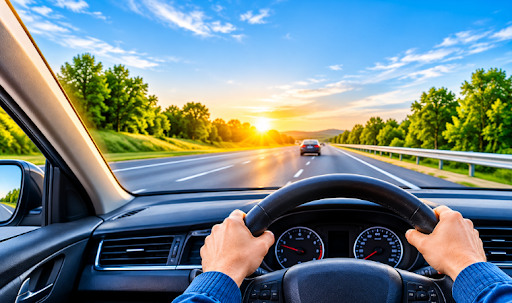
1. Put the Phone Away (Avoid Distracted Driving)
A text pulls your eyes, hands, and mind off the road at once. Set your route and music before you move, switch on Driving Focus or Do Not Disturb, and store the phone out of reach. California law bars holding a phone while driving, and drivers under 18 can’t use one at all.
2. Buckle Up Every Time (Seat Belt Safety)
In 2024, 48% of passenger-vehicle occupants killed in crashes were unrestrained where seat-belt use was known. Buckling up takes only a moment and helps reduce the risk of serious injury. Make it a habit for every occupant, on every trip.
3. Obey Speed Limits (Speed Management)
Speed limits are set with ideal conditions in mind, so the number on the sign isn’t always the right speed for the moment. In rain, fog, or heavy traffic, ease off and drive slower than the limit. The faster you go, the longer it takes to stop, and the harder a crash hits. Staying within the limit, and below it when conditions are rough, gives you more time to react and a better chance of avoiding a collision.
4. Never Drive Impaired (Alcohol and Drug Safety)
Arrange a sober ride before drinking. Some prescription and over-the-counter medicines can also affect alertness or reaction time, so check the label and ask a pharmacist or prescribing clinician if you are unsure whether it is safe to drive.
5. Keep a Safe Following Distance (The Three-Second Rule)
Pick a fixed roadside object. When the vehicle ahead passes it, count “one thousand one, one thousand two, one thousand three.” If you reach the same point before finishing, increase your gap. Leave more space in rain, darkness, heavy traffic, or whenever road conditions reduce traction or visibility. The three-second rule is a starting guide, not a guarantee that you can stop in time.
6. Scan Ahead and Drive Defensively (Defensive Driving)
Look well ahead of the car in front for brake lights, pedestrians, and changing traffic. Change lanes only after checking your mirrors often and your blind spot. Always expect the unexpected from other drivers and allow yourself plenty of room around your car to react safely.
7. Adjust for Weather and Darkness (Night and Rain Driving)
Turn on your headlights whenever the law requires it, and any time it’s harder to see or be seen. On wet roads, slow down, leave extra space between you and the car ahead, and brake gently instead of slamming the pedal. Skip the cruise control when the road is slippery. If visibility gets so bad that it’s unsafe to keep going, pull over somewhere safe, well away from moving traffic, and wait for conditions to clear.
8. Don’t Drive Drowsy (Fatigue Prevention)
Tired drivers react more slowly and can doze off without warning. Adults need seven or more hours of sleep. If you yawn repeatedly, drift in your lane, or can’t recall the last few miles, stop and rest. Coffee doesn’t replace sleep.
9. Share the Road With Pedestrians and Cyclists (Vulnerable Road Users)
People walking or cycling have little physical protection in a collision, so even a small driving mistake can have serious consequences for them. Slow down near crosswalks, stop your vehicle completely when someone is crossing, and take an extra look for cyclists before you turn or open your door. A few seconds of patience can prevent a life-changing crash.
10. Maintain Your Vehicle (Car Maintenance and Recalls)
Check your tire pressure and tread, lights, and windshield wipers regularly. Check for outstanding safety recalls using your vehicle identification number on the NHTSA recall website. Regular maintenance can help you spot problems before they affect a journey, although it cannot prevent every breakdown or crash.
Your next drive is the right time to start. Pick two tips from this list and make them automatic this week.
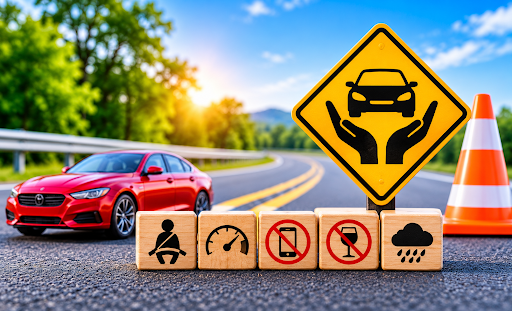
How Driving Apps Can Support Safer Driving Habits
Driving apps can complement responsible driving habits by giving families and fleet managers useful location information and, depending on the platform, additional driving-related insights.
My Drive Guardian offers different features on Android and iOS:
Features available on both Android and iOS:
- GPS location tracking for families, employees and fleets
- Fleet tracking
Additional Android features:
- Driving score
- Driving behavior tracking
- AI Safety Coach
Driving scores, driving behavior tracking and AI Safety Coach are currently available on Android only.
My Drive Guardian does not replace attentive driving, vehicle maintenance or responsible road-safety decisions. Technology should support good habits rather than create a false sense of security.
Explore My Drive Guardian’s features and see how they can support safer driving habits.
FAQs
Frequently Asked Questions
Avoid phone distraction, wear your seat belt, obey speed limits, never drive impaired, keep a three-second following distance, and stay alert to weather and fatigue.
It’s a following-distance guide. Count three seconds after the car ahead passes a fixed object. If you reach it sooner, you’re too close. Add more time in bad weather.
Distracted driving, speeding, impaired driving, and failure to wear seat belts contribute to a large share of fatal crashes. Drowsy and aggressive driving also play a role.
It’s safer than holding a phone, but it isn’t risk-free. Conversations can still distract your mind, so keep calls short and avoid stressful topics while driving.
Driving apps can support safer driving habits through location tracking and, depending on the platform, additional driving-related features. My Drive Guardian offers driving scores, driving behavior tracking, and AI Safety Coach on Android, while iOS currently provides location and fleet tracking. These tools can complement responsible driving, but they do not replace driver attention or safe decision-making.