- Fleet Driver Safety
Driver Safety Software for Safer Fleet Management
Managing a fleet means keeping track of vehicles, supporting drivers, and making safety part of everyday operations. Without clear information about vehicle locations and driving-related activity, it can be harder to stay informed across a team. A consistent approach to fleet driver safety helps businesses set expectations and review the information available to them.
My Drive Guardian is driver safety software that helps businesses stay connected with their drivers through phone-based GPS location tracking and fleet tracking. Both iOS and Android users can access these features, along with a free desktop tracking page and group invitations. All base features are free to use, with no additional in-vehicle hardware required. Android users also have access to driving scores, driving behaviour tracking, and the AI Safety Coach.
Why Fleet Safety Is Now a Daily Priority
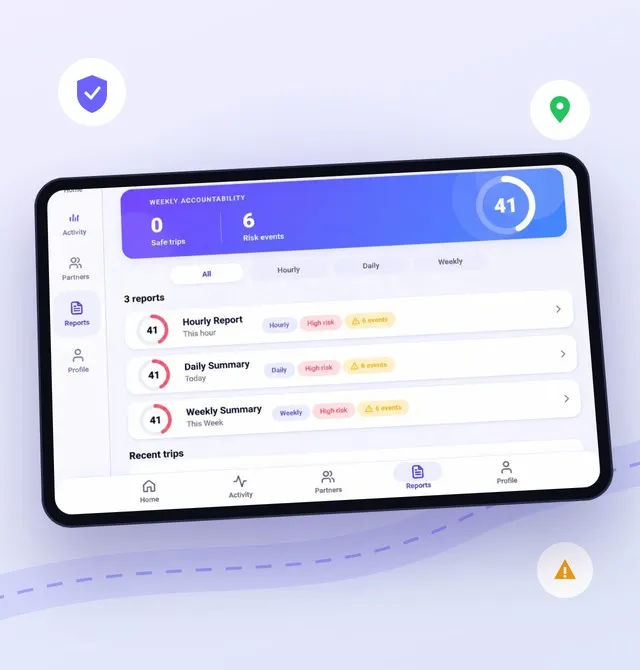
Fleet safety is no longer something businesses can treat as a one-time compliance task. Insurance costs, liability concerns, driver safety expectations, and the need to demonstrate reasonable safety measures have made it an ongoing part of how businesses manage vehicles and people on the road.
Good fleet safety management starts well before anything goes wrong. It means knowing where your biggest risks are, being clear with drivers about what’s expected, keeping an eye on safety data, and having a plan for when something needs attention.
Fleet safety should be part of everyday operations, from driver onboarding and vehicle checks to incident reporting and regular policy reviews. Businesses also need to communicate expectations clearly so drivers understand their responsibilities.
A practical Fleet Safety Program should help managers address potential concerns while giving drivers clear guidance and appropriate support. Technology can contribute useful information, but it works best alongside training, communication, and consistent procedures.
What Effective Fleet Safety Management Should Include
1. Clear Safety Standards From the Start
An effective Fleet Safety Program starts with clear expectations for how vehicles and drivers should be managed. Driver onboarding, safety procedures, incident reporting, and regular policy reviews should work together rather than exist as separate documents. Clear standards also give businesses a practical foundation for fleet defensive driving, helping drivers understand the behaviors expected of them before they are on the road.
2. Useful Driving Information
GPS tracking and available driving insights can give businesses visibility into selected aspects of fleet operations. My Drive Guardian provides GPS location and fleet tracking on iOS and Android. Android users also have access to driving scores, driving behavior tracking, and the AI Safety Coach.
3. Information That Supports Better Decisions
Collecting information is only useful when a business knows how to use it. GPS location data and available Android driving scores and behavior tracking can help managers review selected aspects of fleet operations. These insights should support wider safety procedures, including driver training, communication, and incident reviews.
Fleet Risk Management Starts With Knowing Where the Risk Is
Fleet risk management starts with understanding where problems may arise and how to address them. Clear GPS visibility can help managers understand fleet locations, while Android driving scores and behavior tracking can provide additional insight into selected driving habits. These insights are not a substitute for driver training, vehicle checks, clear procedures, or incident reporting, but they can contribute to a broader fleet safety approach.
Fleet driving risks can include distraction, fatigue, speeding, impaired driving, difficult road conditions, and pressure to finish routes quickly. Each requires a suitable response, such as driver education, realistic scheduling, clear safety procedures, and appropriate follow-up. GPS tracking can help managers understand fleet locations, while Android driving scores and behavior tracking can provide additional insight into selected driving habits. These features cannot identify or prevent every driving risk.
Fleet incidents can also bring repair expenses, vehicle downtime, paperwork, and disruption to scheduled routes. A clear approach to fleet risk management helps businesses prepare for these challenges through realistic scheduling, driver support, and consistent safety procedures.
Fleet Safety Management Requires the Right Systems, Not Just the Right Intentions
Good intentions do not scale across a growing fleet. Effective Fleet Safety Management needs systems that help businesses review relevant fleet information without relying entirely on manual check-ins with drivers.
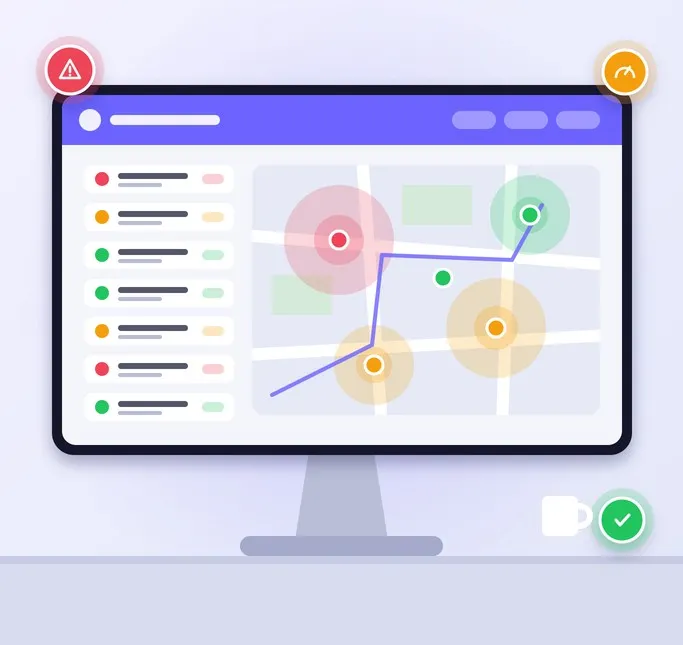
A written safety policy sets expectations, while suitable tools can help managers review specific aspects of fleet operations. Depending on the platform and features in use, relevant information may include:
- GPS location: View connected drivers’ locations through the available tracking features on iOS and Android.
- Driving insights: Android users can access driving scores, driving behavior tracking, and the AI Safety Coach.
- Group access: Invite drivers to connect through a group code, link, or QR code.
These tools offer visibility into specific information. They are not a complete record of driver behavior or every safety event.
My Drive Guardian can complement a fleet safety policy by providing GPS location and fleet tracking on iOS and Android. Android users also have access to driving scores, driving behavior tracking, and the AI Safety Coach. Businesses can use these features alongside driver training, clear expectations, and appropriate follow-up procedures.
Using Driving Information Responsibly
Fleet managers should understand what their tracking and driving insight tools can actually show. GPS location data, Android driving scores, and behavior tracking provide information about specific aspects of fleet operations, but they do not give a complete picture of every driving behavior.
1. Focus on Relevant Information
Use the available information to review fleet locations and selected driving habits. Avoid concluding a driver's overall behavior from GPS location or driving scores alone.
2. Keep It Transparent
Explain what location and driving information is collected, why it is needed, and who can access it. Drivers should understand how monitoring fits into the wider Fleet Safety Program.
3. Use Information Constructively
Discuss relevant concerns with drivers and provide appropriate guidance or training. Reports are most useful when they lead to informed conversations and practical improvements.
Fleet Safety Solutions That Support Everyday Visibility
GPS tracking is one part of fleet safety. Businesses also need clear driver expectations, appropriate training, incident procedures, and a practical way to review the information available to them.
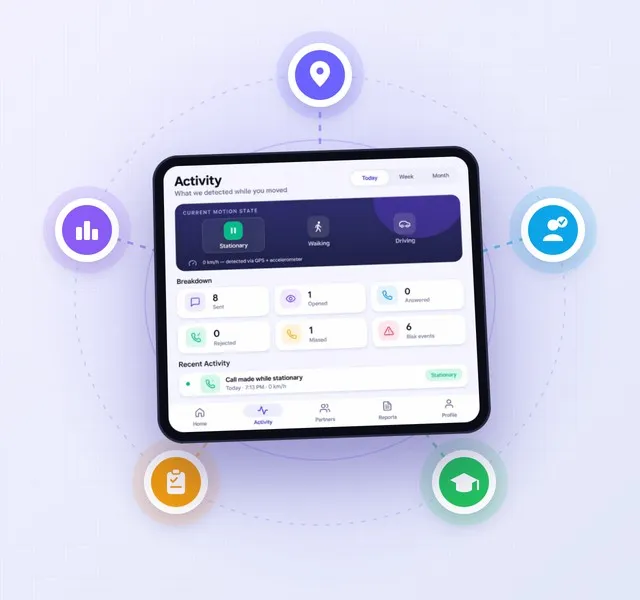
My Drive Guardian provides GPS location and fleet tracking for families, employees and businesses on both iOS and Android. Android users also have access to driving scores, driving behavior tracking and the AI Safety Coach. These features can support selected parts of a wider fleet safety approach, but they do not replace driver training, vehicle checks, or a complete fleet safety program.
Review the available features for your device before deciding whether the app meets your business requirements. Review the available features for your device before deciding whether the app meets your business requirements.
Driver Safety Software Should Support Better Decisions
Driver safety software can help fleet managers access information that supports safety reviews, but the available features differ between products. Some tools focus on location, while others provide reports or controls related to phone activity during driving.
When comparing top fleet driver safety systems and other fleet safe solutions, look at what each product actually offers. Consider whether it supports your devices, what information it makes available, how drivers are informed about monitoring, and whether the features fit your fleet’s safety procedures.
My Drive Guardian provides GPS location and fleet tracking on iOS and Android, alongside Android-only driving scores, driving behavior tracking, and the AI Safety Coach. It can support selected parts of a wider fleet safety approach that also includes driver training, clear policies, and regular reviews.
How My Drive Guardian Supports Fleet Driver Safety
My Drive Guardian is a phone-based app that helps businesses stay connected with employees and fleet drivers through GPS location tracking and fleet tracking. Both iOS and Android users can access these basic features for free, alongside a free desktop tracking page and group invitations. No additional in-vehicle hardware is required.
01
Free GPS Location Tracking
View the locations of connected drivers through the app, helping businesses stay informed about where their drivers are.
02
Free Fleet Tracking on iOS and Android
Businesses can use fleet tracking on both iOS and Android to view connected drivers’ locations and manage their driver groups through the app.
03
Free Desktop Tracking Page
Access fleet location information through the desktop tracking page, making it easier to view connected drivers’ locations on a larger screen.
04
Free Group Invitations
Invite employees and drivers to connect using a group invitation code, link, or QR code.
05
Additional Android Driving Features
Android users also have access to driving scores and driving behavior tracking, which can help build awareness of driving habits and support discussions about safer driving.
06
AI Safety Coach
Android users can also access the AI Safety Coach for additional driving-related guidance and support.
These features provide businesses with location information and selected driving insights to use alongside driver training, clear policies, vehicle checks, and regular safety reviews.
Frequently Asked Questions About Fleet Driver Safety
Q: What's the difference between fleet safety and fleet risk management?
Fleet safety generally refers to the day-to-day practices and tools that keep drivers and vehicles safe. Fleet risk management is the broader, strategic process of identifying, measuring, and reducing the risks that could lead to incidents in the first place.
Q: How is driver behavior monitoring different from basic GPS tracking?
GPS tracking shows where connected drivers are, while driver behavior monitoring may involve reviewing other information, depending on the tool. My Drive Guardian provides GPS tracking on iOS and Android, while Android users can also access driving scores and driving behavior tracking. These features do not identify every risky driving habit.
Q: Can My Drive Guardian help reduce fleet insurance costs?
Insurance costs depend on the insurer, policy terms, claims history, and other factors. My Drive Guardian offers GPS tracking on iOS and Android, alongside driving scores and behavior tracking for Android users. However, it cannot guarantee lower premiums. Ask your insurer whether your fleet’s safety practices or use of tracking tools could affect your policy.
Q: How to keep fleet drivers safe?
To keep fleet drivers safe, set clear expectations, provide regular safety driver training, plan realistic routes, and encourage drivers to report concerns. Use suitable tools for GPS visibility and, where available, driving scores and behavior tracking, alongside vehicle checks and incident procedures. Review your approach regularly as your fleet and operating conditions change.
Q: What are common fleet driving risks?
Common fleet driving risks include distraction, fatigue, speeding, impaired driving, poor weather, difficult road conditions, and pressure to meet delivery deadlines. Training, sensible scheduling, clear procedures, and regular reviews can help address these risks. GPS tracking and available Android driving insights may provide useful information, but they cannot identify every hazard or risky driving behavior.
Q: What makes a good fleet safety policy?
A good one is clear, written in plain language, and applied equally to every driver. It explains the reason behind each rule, sets out driver training and incident-response procedures, and is reviewed regularly.
Q: How to identify risky driving habits?
Look for recurring concerns rather than concluding a single incident. Review available driving information and incident records, speak with drivers to understand the context, and provide targeted feedback or training. GPS tracking and Android driving scores and behavior tracking may help with selected aspects of a review, but they cannot reveal every risky driving habit.
Q: How to improve employee driving habits?
Improve employee driving habits through regular driver safety training, clear expectations, constructive feedback, and recognition of safe practices. Explain any monitoring tools before use and discuss what their information can and cannot show. Review progress and provide additional support where needed.
Q: What is a company driver safety policy?
A company driver safety policy is a written document explaining the rules and responsibilities for employees who drive for work. It may cover mobile phone use, impairment, rest breaks, vehicle checks, incident reporting, and driver training. The policy should be communicated clearly, applied consistently, and reviewed regularly.
Explore My Drive Guardian for Your Fleet
Keep your fleet connected with My Drive Guardian. Track connected drivers’ locations on iOS and Android, and give Android users access to driving scores, behavior tracking, and the AI Safety Coach.