- Family Safety on the Road
Best Driving Safety App for Parents to Monitor Safe Driving
Help the senior drivers in your family stay safe, independent, and connected on the road.
Aging doesn’t automatically mean giving up the freedom of driving. With the right support, regular awareness, and practical safety tools, older adults can continue driving with greater confidence while families stay informed.
My Drive Guardian helps families support safer driving for seniors with technology designed to provide greater visibility and peace of mind, without taking away their independence. With us, you can assure driving safety for older adults.
Why Safe Driving for Seniors Matters
Age alone doesn’t make someone a bad driver. Plenty of people handle a car just fine into their eighties. What changes is the buffer they have for mistakes.
Reaction time slows down. Vision and hearing get a little weaker each year, often so slowly the person driving doesn’t notice. Some medications cause drowsiness. Night driving gets harder. A route that used to be automatic now takes real concentration.
None of this means your parents are suddenly unsafe. It means driving safety for older adults deserves attention before something forces the issue, like an accident or a scary phone call.
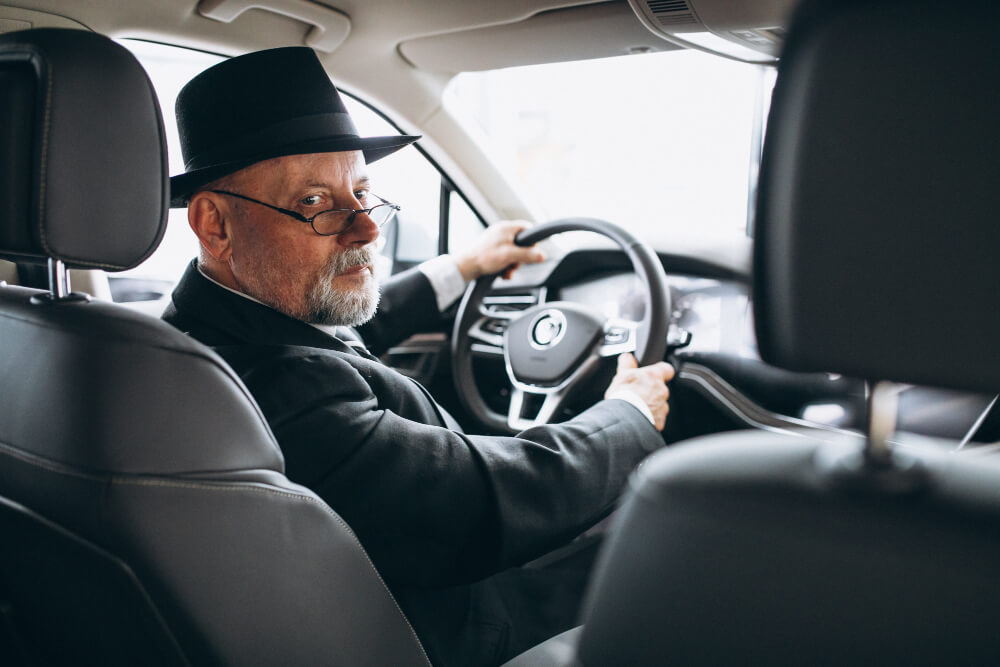
Driving Safety for Older Adults
A few specific changes tend to show up as people get older. Here’s what to actually watch for senior driver safety:
Vision and Visibility
Depth perception and peripheral vision fade gradually. Glare from headlights or bright sun becomes harder to handle. A parent might not mention this because they haven't noticed it themselves.
Reaction Time
Braking for a car that stops suddenly takes a fraction of a second longer than it used to. That fraction matters at 40 miles an hour.
Hearing and Awareness
Sirens, honking, a car approaching from the side. Hearing loss quietly removes one more way the brain catches danger before it becomes a collision.
Medication and Driving
Blood pressure pills, allergy medicine, sleep aids. A lot of common prescriptions list drowsiness or dizziness as a side effect. Ask a pharmacist directly if a new medication affects driving.
Physical Mobility
A stiff neck makes it harder to check a blind spot. Weaker grip strength affects steering control and how fast someone can react with the brake.
Fatigue and Nighttime Driving
Older adults get tired faster, and night driving already asks more of the eyes. Put the two together and a short evening drive becomes more demanding than it looks.
This list isn’t a diagnosis. It’s a starting point for a conversation, and where needed, a visit to the doctor.

Elderly Driver Safety: Common Challenges to Consider
Elderly driver safety comes down to a handful of situations that show up again and again:
- Struggling to judge distance at night
- Getting lost on a route they've driven for years
- Slower response when traffic suddenly changes
- Getting distracted by a phone, a passenger, or physical discomfort
- A car that no longer fits their changing needs, like mirrors set wrong for their eyesight
- No real plan for what to do if something goes wrong on the road
No single item on this list is a reason to panic. Together, they’re why families start looking for a practical way to help, without turning it into a fight.
Senior Driver Safety Tips for Safer Journeys
Small habits, done consistently, cut down risk more than people expect.
Schedule Regular Vision Checks
An annual eye exam catches problems before they show up behind the wheel. Many vision changes happen slowly enough that the person driving adjusts without realizing it.
Plan Routes Before Driving
Deciding on a route ahead of time means fewer decisions to make while actually driving. That's one less thing competing for attention at a busy intersection.
Avoid Driving When Tired
If a trip can wait until morning, let it wait. Tired drivers make slower decisions, at any age.
Minimize Distractions
Phones, chatty passengers, food in the car. Each one pulls focus away from the road at exactly the wrong moment.
Review Medications and Driving Guidance
A five-minute conversation with a pharmacist can prevent a side effect from turning into a hazard. Do this every time a new prescription starts.
Drive During Conditions You're Comfortable With
Skipping a nighttime drive or a trip in heavy rain isn't giving up. It's a smart call.
Keep Emergency Contacts Easily Accessible
A phone that's charged and easy to unlock, with emergency numbers saved, matters if something happens on the road.
Regularly Review Driving Habits
Check in every few months. Ask how driving feels lately, and listen for anything that's changed.
How Families Can Support Safer Driving
Supporting an older parent doesn’t mean taking the keys away the first time something feels off. It means staying involved without making them feel like they’re being watched.

01
Have an Open Conversation About Driving
Bring it up before there's a crisis, not after. Ask directly how they feel behind the wheel these days.
02
Focus on Safety, Not Age
"I want to make sure you're comfortable driving" lands very differently than "you're getting older." The first keeps the conversation about safety. The second turns it into an argument.
03
Agree on When Extra Support May Be Needed
Decide together, ahead of time, what would prompt a bigger conversation. A few close calls. Getting lost near home. A new diagnosis from the doctor.
04
Stay Connected During Important Trips
A text before a long drive and a text after it arrives goes a long way. It's reassurance without hovering.
05
Consider Technology That Adds an Extra Layer of Protection
Most families land here eventually, not because talking failed, but because no one can be in the passenger seat every single time.
When You Can't Be in the Car, Stay Connected
You can’t ride along every time your mom drives to the grocery store or your dad heads to a doctor’s appointment across town. No family can be everywhere.
This is where connected safety technology fills the gap. It doesn’t replace the conversation you’ve already had. It gives you a way to stay aware and step in fast if something needs attention: real-time notifications, live location, driver status, quick access to emergency contacts, and a record of past trips.

How Technology Can Support Older Driver Safety
01
Real-Time Safety Notifications
An alert when something worth knowing happens, instead of finding out about it later secondhand.
02
Live Vehicle Location
Peace of mind on a longer drive or an unfamiliar route, without needing to call and ask "are you there yet."
03
Driver Status
A clear picture of how a trip is going, so you're not left guessing.
04
Emergency Contacts
Quick access to the right people the moment something goes wrong.
05
Vehicle Protection
A safeguard built in before the car even leaves the driveway. This is where My Drive Guardian's alcohol detection stands apart from basic tracking apps.
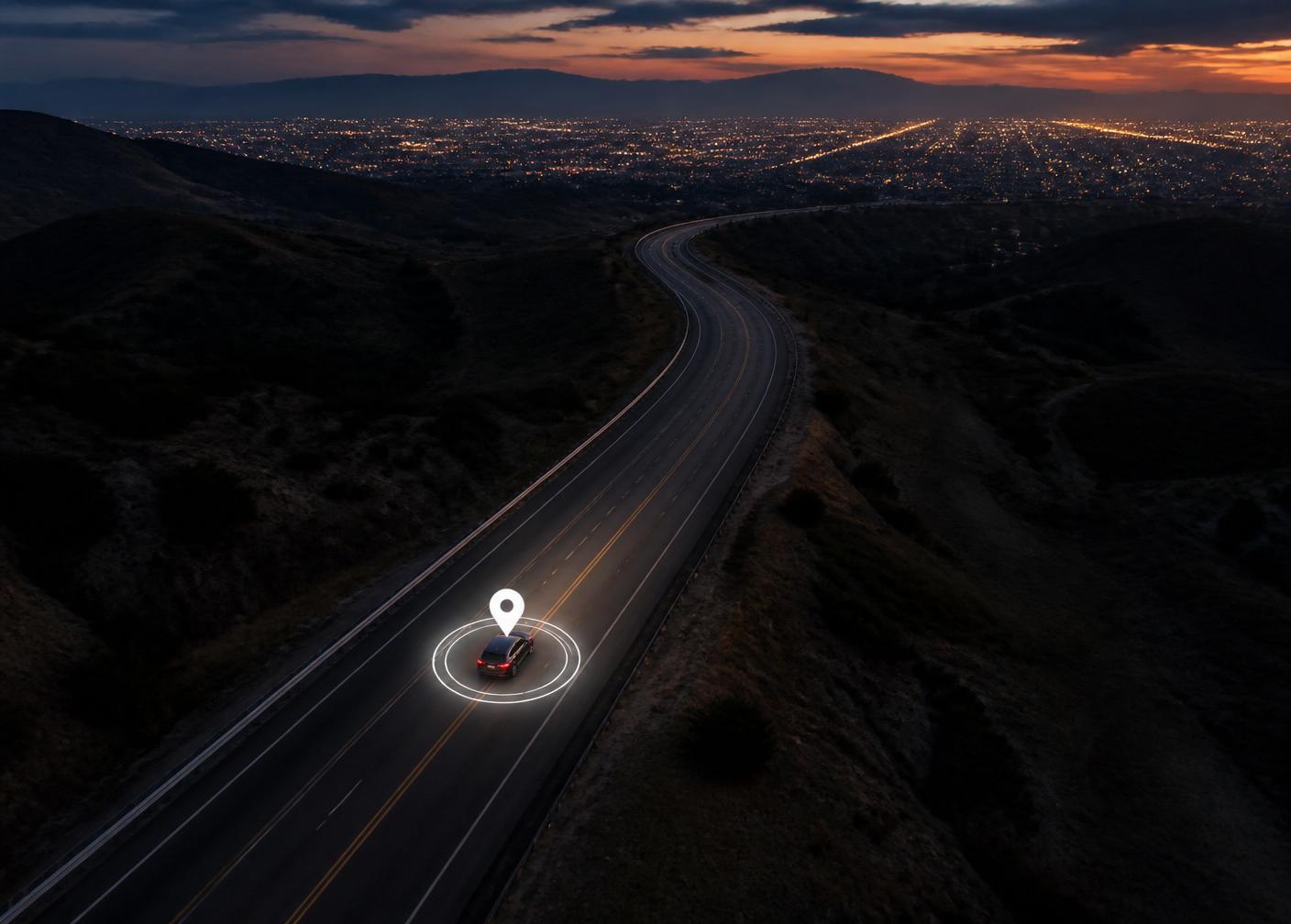
An Additional Layer of Protection for Your Parents
My Drive Guardian combines in-car alcohol detection, vehicle protection, and family alerts in one system. It gives families more visibility when an older parent is behind the wheel, and more peace of mind.
Alcohol Detection
Fuel-cell breath sensor technology, the same kind used in professional breathalyzers, checks the driver before the car starts.
Ignition Protection
If alcohol is detected above the set limit, the vehicle can be kept from starting. Simple, and effective.
Family Notifications
Trusted family members get the alerts that matter. Not a flood of information nobody asked for.
Live GPS Location
Check where the car is, right from the app, whenever you need that reassurance.
Mobile App
Every alert and every location update lives in one place, ready when you need it. My Drive Guardian isn't built to track someone's every move. It's built to catch one specific risk before it turns into a tragedy, and to keep family in the loop when it counts.
When Should Families Talk About Driving Safety?
A few signs are worth a closer look: repeated minor accidents, getting lost on a route they’ve driven for years, trouble handling busy traffic, more near misses than usual, visible confusion behind the wheel, or a growing dread of nighttime driving.
Family members often notice these changes before the driver does. None of these signs alone mean someone should stop driving. They mean it’s time to talk, and possibly time to see a doctor for a proper assessment.
FAQ
Frequently Asked Questions About Senior Driving Safety
What are some safe driving tips for seniors?
Get regular eye exams, plan routes ahead of time, skip driving when tired, cut down on distractions, and check with a pharmacist about any new medication.
How can families support older adults who still drive?
Talk openly, keep the focus on safety rather than age, agree in advance on what would prompt extra help, and stay connected through quick check-ins or safety technology.
What is driving safety for older adults?
It’s the set of habits and precautions that offset age-related changes in vision, reaction time, and mobility, so older adults can keep driving safely for as long as it makes sense.
How can I help keep my elderly parents safe while driving?
Start with an honest conversation about how they feel on the road. Watch for warning signs like near misses. Consider a tool like My Drive Guardian that gives you visibility without riding along.
When should families talk to an older adult about driving safety?
Before there’s a crisis, not after one. Warning signs like repeated close calls or getting lost near home are good reasons to bring it up now.
Can technology help improve senior driver safety?
Yes. Real-time alerts, live location, and vehicle protection features let families stay aware without calling to check in every hour.
Can My Drive Guardian help protect an older parent while driving?
It combines alcohol detection, ignition protection, and family alerts to add a real layer of safety while still respecting your parent’s independence.
How does My Drive Guardian notify family members?
Through the mobile app. Trusted family members get real-time alerts and can check live vehicle location whenever they need to.
Help Protect Every Drive Your Parents Take
You can’t be in the passenger seat every time. My Drive Guardian gives your family that extra layer of protection anyway, with real-time alerts, live location, and built-in vehicle protection that works before the car even leaves the driveway.